Case Study: Successful Strategic Planning in Buenos Aires


Introduction to Strategic Planning in Buenos Aires
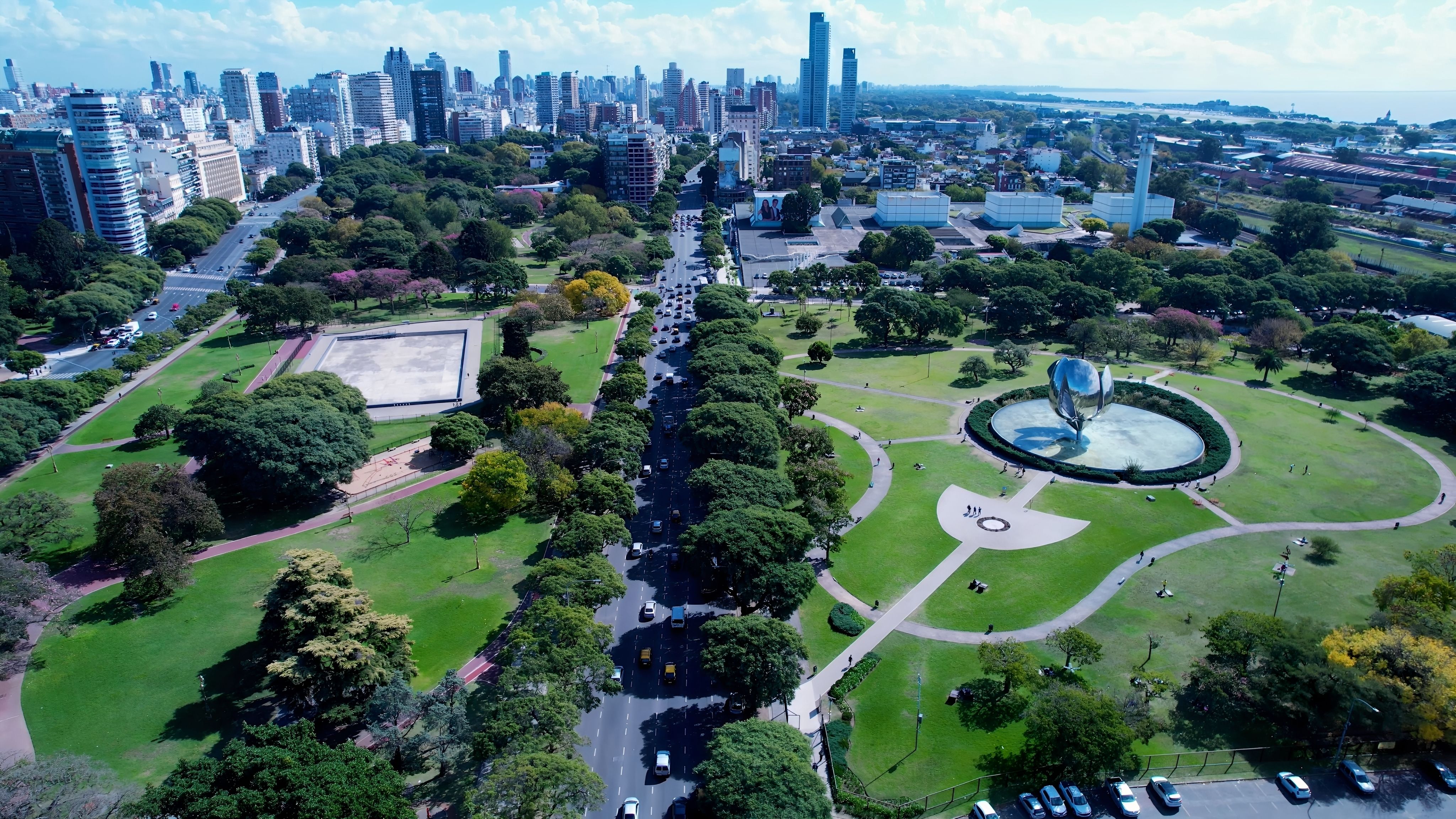
Buenos Aires, the vibrant capital of Argentina, is a city that thrives on innovation and strategic growth. In recent years, it has become a hub for successful business ventures, thanks to effective strategic planning. This case study explores how strategic planning has played a pivotal role in transforming Buenos Aires into a thriving economic center.

The Importance of Strategic Planning
Strategic planning is crucial for any organization aiming for long-term success. It involves setting goals, determining actions to achieve those goals, and mobilizing resources. In Buenos Aires, businesses and the local government have embraced strategic planning to foster economic development and improve the quality of life for residents.
Key Components of Strategic Planning
Effective strategic planning in Buenos Aires incorporates several key components:
- Vision and Mission: Establishing a clear vision and mission to guide all strategic decisions.
- SWOT Analysis: Identifying strengths, weaknesses, opportunities, and threats to understand the competitive landscape.
- Goals and Objectives: Setting measurable goals and objectives to track progress.

Successful Implementation in Buenos Aires
One of the standout examples of strategic planning success in Buenos Aires is the revitalization of the Puerto Madero district. Once a neglected area, it is now a bustling hub of commercial and residential activity. The transformation was achieved through a strategic plan that focused on sustainable development, infrastructure improvement, and community engagement.
Community Involvement
Community involvement has been a cornerstone of strategic planning in Buenos Aires. Engaging local residents and businesses ensures that the plans reflect the community's needs and aspirations. This approach has led to increased public support and successful implementation of various projects.
Challenges and Lessons Learned
While strategic planning has brought many successes, it has not been without challenges. Economic fluctuations, political changes, and resource constraints have occasionally hindered progress. However, these challenges have provided valuable lessons in adaptability and resilience.
Adapting to Change
One critical lesson learned is the importance of flexibility in strategic planning. Buenos Aires has demonstrated that adapting strategies to changing circumstances is vital for sustained success. This adaptability ensures that the city can navigate uncertainties effectively.
Conclusion
Buenos Aires stands as a testament to the power of strategic planning. By focusing on clear objectives, community involvement, and adaptability, the city has transformed into a dynamic urban center. Other cities can learn from Buenos Aires' example to achieve similar success in their strategic endeavors.